

Porcelain Return to Modern Interiors
Imari and Chinese Export Porcelain: History, Origins, and Their Return to Modern Interiors
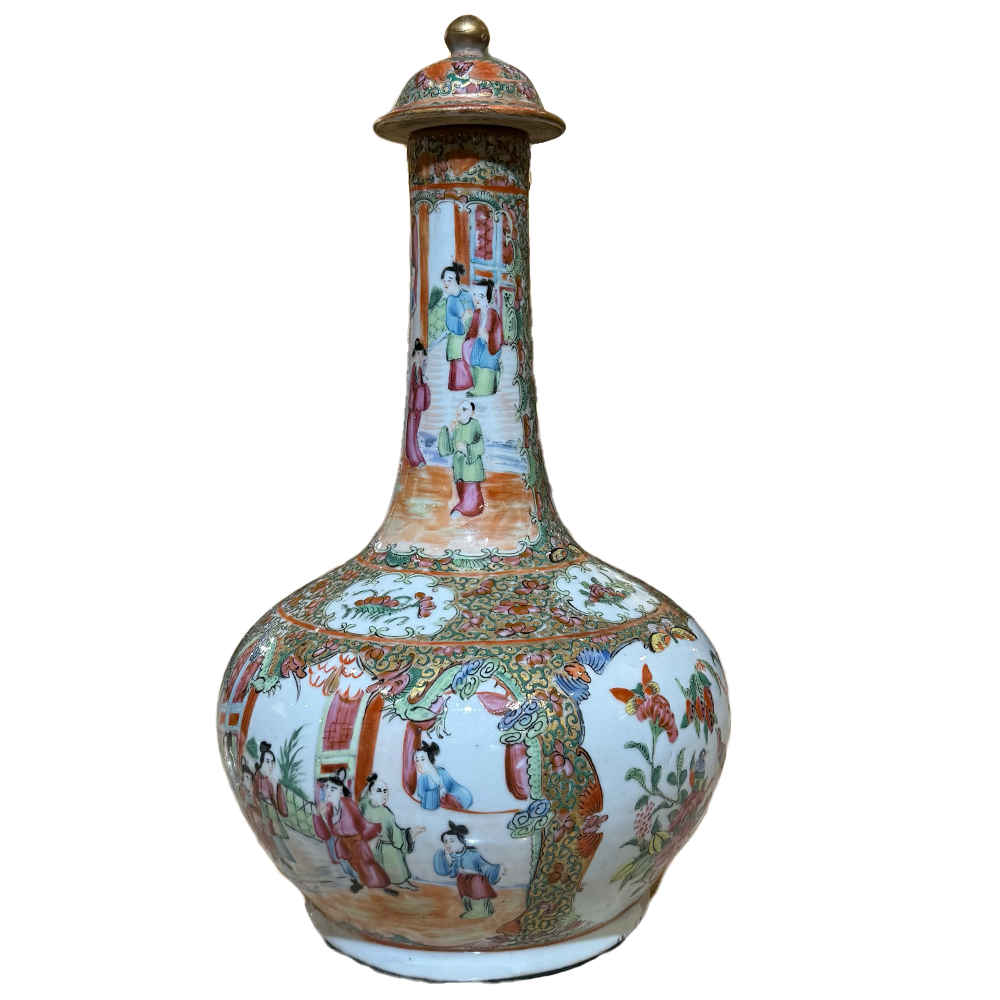
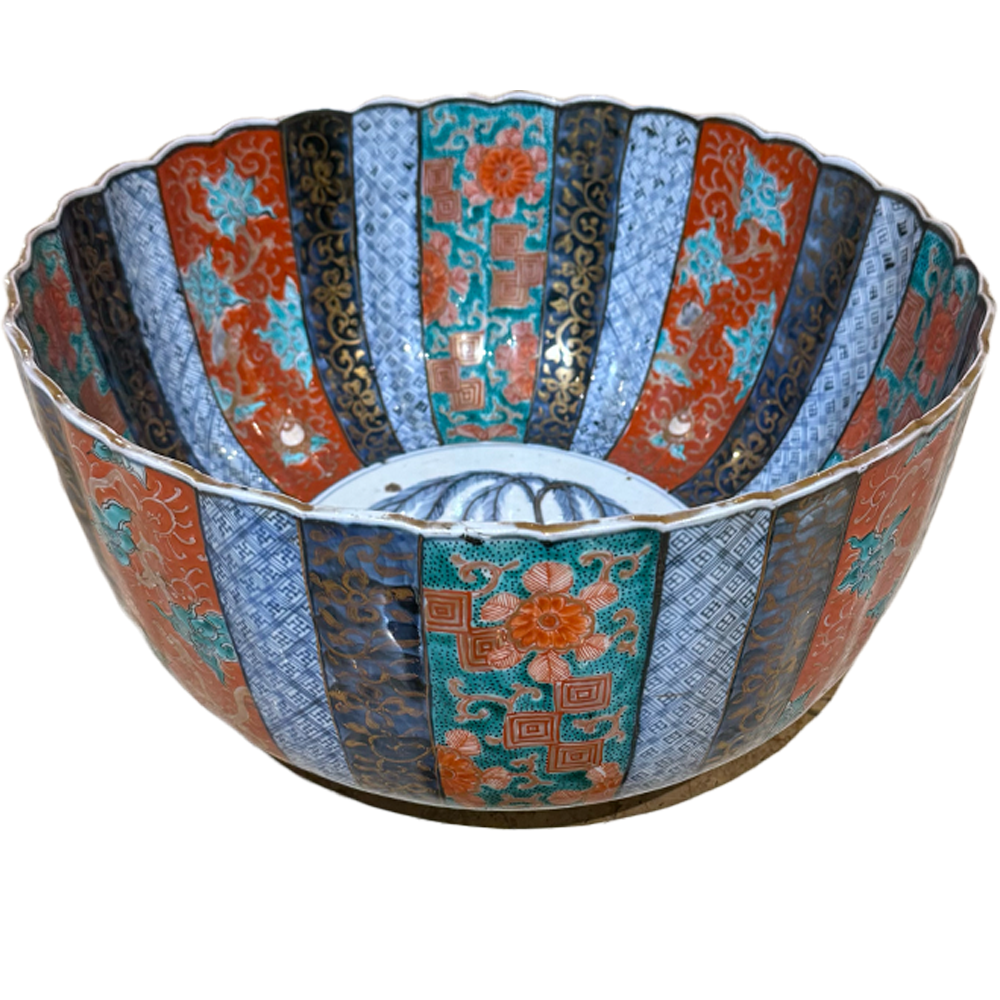
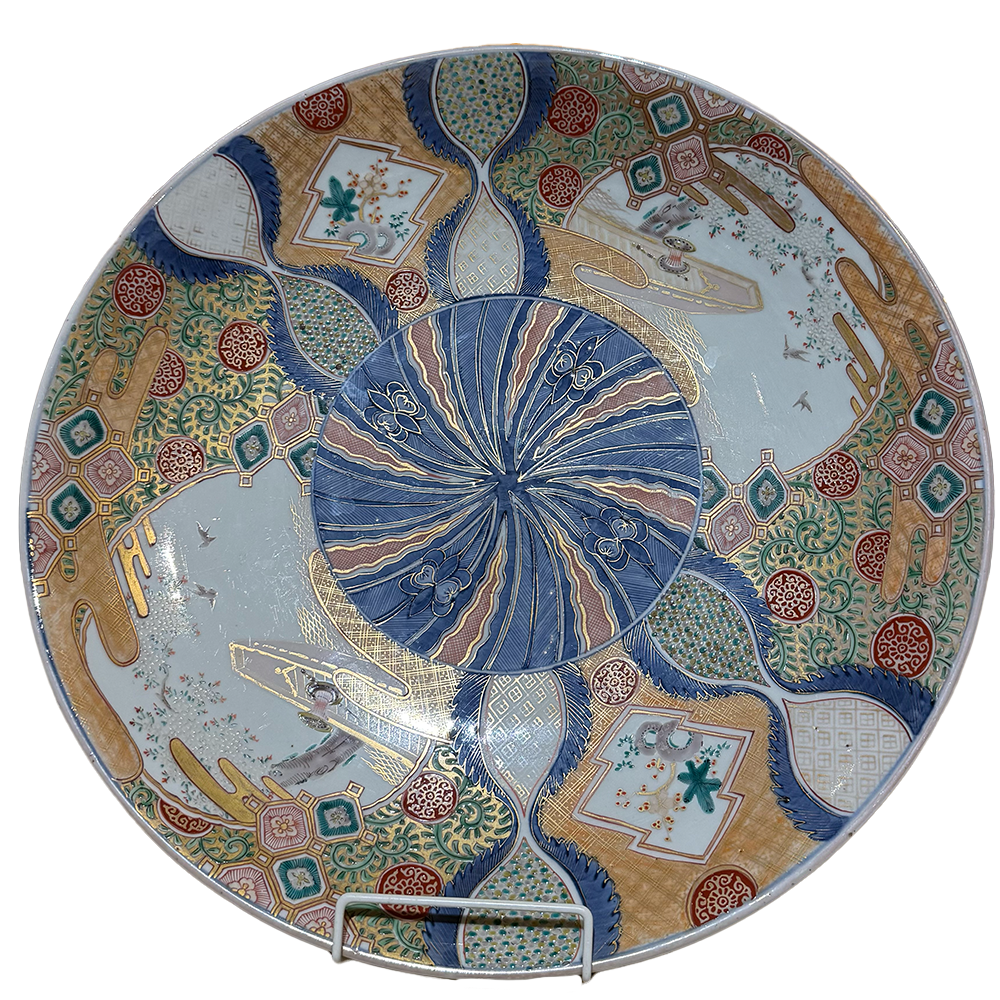
For centuries, Asian porcelain has fascinated collectors, decorators, and travelers alike. Pieces such as the Imari bowl and charger, along with Chinese export vases like the example shown here, represent a long tradition of artistic craftsmanship and global trade. Today these objects continue to find new life in modern interiors, not as entire collections as they once were, but as striking accent pieces that add character and history to contemporary spaces.
Origins of Imari and Chinese Export Porcelain
Imari porcelain originated in Japan during the early 17th century. The name “Imari” refers to the port of Imari in Kyushu, from which these ceramics were exported to Europe. Although the porcelain was produced in nearby Arita, European traders came to associate the style with the port where it was shipped.
Imari ware is known for its vivid color palette, most commonly deep cobalt blue, iron red, and gold. Decorative motifs often include stylized flowers, landscapes, and geometric patterns arranged in elaborate panel designs.
Chinese export porcelain, such as the covered bottle vase shown here, developed slightly earlier. Beginning in the late Ming dynasty (16th–17th centuries), Chinese potters began producing ceramics specifically for European markets. These pieces often featured narrative scenes, floral patterns, and decorative borders designed to appeal to Western tastes.
What These Objects Were Used For
Originally, these pieces were both functional and decorative household objects.
-
Large bowls like the Imari example were used for serving food or displaying fruit.
-
Chargers were large decorative plates often displayed on walls, cabinets, or dining tables.
-
Covered bottle vases were used for flowers, ceremonial display, or as decorative objects in elite homes.
In Europe, particularly during the 17th and 18th centuries, these items were prized luxury imports. Wealthy households displayed them in cabinets, on mantelpieces, or in elaborate porcelain rooms.
The Height of Popularity
Asian export porcelain reached the height of its popularity in Europe between the late 17th and early 19th centuries. During this period, global trade expanded rapidly through companies such as the Dutch East India Company.
European aristocrats became avid collectors. Entire rooms were sometimes decorated with porcelain, and large cabinets were built specifically to display collections. In many homes, these objects symbolized wealth, worldliness, and refined taste.
Imari porcelain, with its bold color contrasts and intricate decoration, became particularly fashionable in England, France, and the Netherlands.
Decline in Interior Design Trends
By the early to mid-20th century, interior design began shifting toward simpler and more minimal styles. Modernism favored clean lines, neutral colors, and uncluttered spaces. As a result, large porcelain collections gradually fell out of favor in everyday interior design.
While collectors continued to value these objects, displaying large quantities of decorative ceramics became less common. Many pieces moved from everyday interiors into antique collections, museums, and specialty dealers.
A Revival in Modern Interiors
In recent years, however, Asian porcelain has experienced a renewed appreciation among designers and collectors.
Rather than filling entire cabinets with porcelain, modern interiors often feature one or two carefully selected pieces. A large Imari bowl, decorative charger, or Chinese export vase can serve as a dramatic focal point on a console table, bookshelf, or mantel.
These pieces provide:
-
Rich color in otherwise neutral spaces
-
A sense of history and craftsmanship
-
A visual contrast to modern furniture and architecture
Designers frequently use them as accent objects that introduce depth and character into contemporary interiors.
Why These Pieces Still Matter
Objects like the Imari bowl, charger, and Chinese export vase represent more than decorative ceramics. They are artifacts of a period when global trade connected distant cultures, and artistic traditions traveled across continents.
Today, they continue to bridge past and present. In a modern home, a single porcelain piece can carry centuries of history while adding beauty and individuality to a space.
For collectors and decorators alike, this balance of craftsmanship, history, and visual impact explains why Asian porcelain remains timeless.